Henri, from AS Faourette
10 January 2026

My first real encounter with Japanese culture was probably Pokémon, in the early 2000s. I can still picture one summer in the Pyrenees: a storm raging outside, me hiding in my camping tent, nice and warm, playing Pokémon Red on my Game Boy Color. I remember catching a Pikachu in Viridian Forest.
At the exact same moment, reality grabbed me: lightning first, then the wind, and finally the tent starting to collapse while my parents rushed to pack everything up in an emergency.
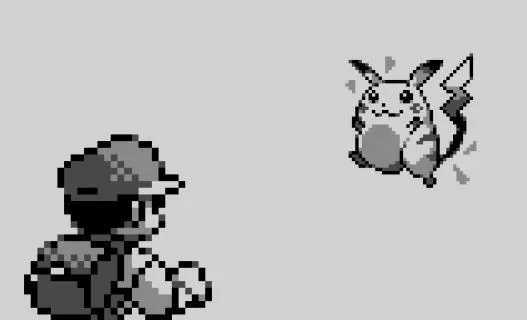
That lightning strike was no coincidence. At seven years old, life was simple: mine revolved around playing football in the neighborhood and at AS Faourette, my very first club, and stringing together Pokémon games at home — Red, Gold, Sapphire, then Emerald. We’re shaped by powerful images. For football, it was Zidane’s volley in the Champions League final against Bayer Leverkusen. And for Pokémon, it was that Pikachu caught under the lightning, somewhere in the Pyrenees.

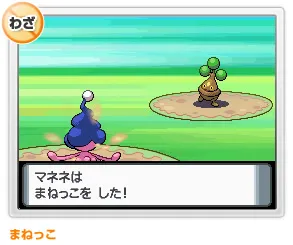
Back then, there were also internet forums, and I spent time on every Pokémon website I could find, hunting for the best tips and tricks. That’s where I learned that Pokémon was Japanese, that some anime episodes had been censored in Europe because Pikachu — him again — had caused epileptic seizures due to overly intense Thunder attacks. A small downside, perhaps, since those lucky Japanese players would get to play Pokémon Diamond and Pearl before us poor little Europeans.
It was by seeing those unreadable characters on screenshots that I realized just how far away and different that country was — and how my desire to understand it only kept growing.
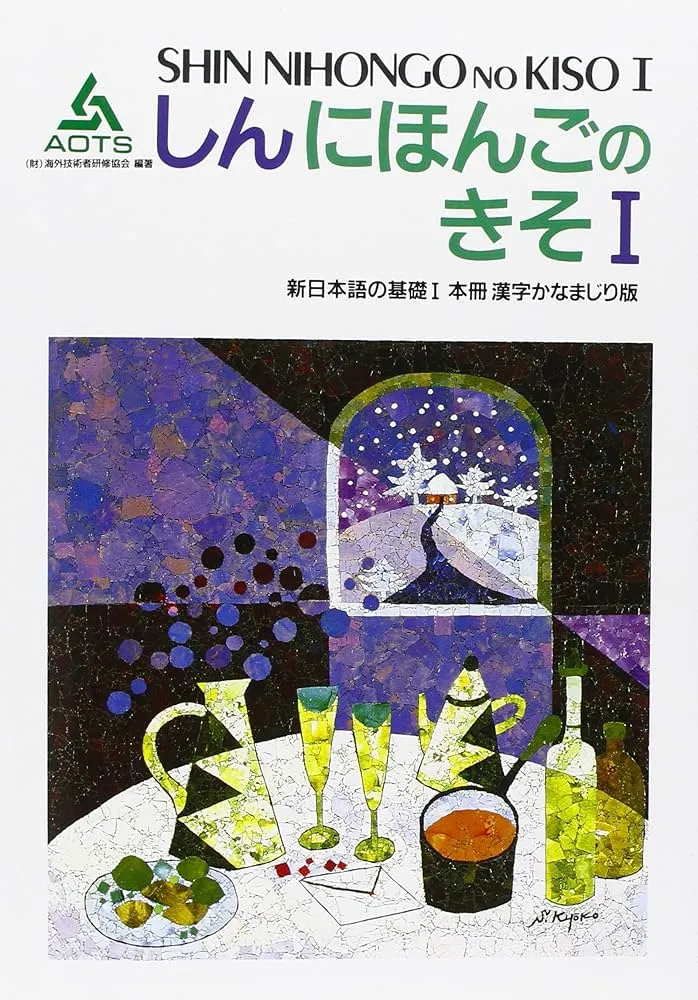
Then time passes, and high school arrives. I was lucky enough to study Japanese there for three years, using the Shin Nihongo no Kiso textbook and guided by a teacher who taught not only the language, but also the country’s sociology. Not enough to live there, clearly, but just enough to grasp how deeply a language can shape the way one thinks.
I don’t speak Japanese well enough to offer a thorough analysis, but my impression of it is that of an efficient language, seemingly stripped of frills at first glance, yet terrifyingly complex once you start digging. A language in which there are a thousand ways to say the same thing, depending on hierarchy, context, or one’s place in society.
It is also a language full of unspoken meaning, relying heavily on context and on the ability to read the other person. A language that visually distinguishes native Japanese words from loanwords through its writing system. A language made of nuances — and it is precisely this, without idealizing it, that fuels my curiosity about the country.
Then come my studies, and my interest in Japan remains very much alive. At the time, I dream of making video games and, who knows, maybe even working for Nintendo. I know it’s only a sweet dream, so I keep my feet firmly on the ground.
I also start looking into the Working Holiday Visa (WHV), which allows you to discover a country for a year. In Japan’s case, it’s available up to the age of 30, provided you can prove a certain level of financial stability. The problem is that my pockets are empty: as a scholarship student, I have just enough to get by day to day. So I do my best to be as serious as possible, hoping to land a decent job that would allow me to save enough before my “deadline”: turning thirty.

I learn how to develop, but I quickly decide to specialize in web development. At the same time, I start hearing about the infamous crunch culture in video game studios, and I have no desire to sacrifice my passion to my job. I even begin to wonder whether it’s really healthy to merge work and passion at all, for fear of ruining it. In short, the web seems calmer, more reassuring… and ultimately more reasonable than video games.
At the end of my five years of studies, I enter working life with a clear goal: save enough money to enjoy my Working Holiday year in Japan with peace of mind.
I land a permanent position at a web agency in Paris, and everything goes according to plan. But paradoxically, the closer I get to thirty, the more anxiety creeps in. Is it really sensible to give up a stable situation for a beautiful year… that still remains hypothetical? Everyone encourages me, some even seem a little envious. I know I’m lucky to be able to create this opportunity for myself, but at the same time, I feel like a boxer just before a fight. I’ve done everything I can to make sure the trip goes well, and yet I’m voluntarily putting myself in an uncomfortable situation, with an uncertain outcome. Do I really want this? Is it really the right choice? The truth is, I don’t know.

There was a time when I went to the cinema a lot, often without really knowing which film I was about to see. Good or bad didn’t matter much to me: deep down, I knew that whatever I was about to watch was the product of someone’s vision of the world, and that this vision would bring me something. I decided to apply the same philosophy to my trip. Whether it turns out well or not isn’t the point. So I chose not to overthink things and to dive into the process of securing that precious Working Holiday Visa.
Here I am, one week before departure—full of questions, a little stressed, a little excited. A perfect contrast with my image of Japan. In one week, I’ll be in Tokyo. I’ve prepared myself, but I don’t speak enough Japanese to get by easily. I also didn’t want to over-plan the trip, so as not to build expectations and to allow myself to be surprised. As a child, I discovered the Kanto region through the eyes of Ash from Pallet Town. Now, it’s Henri from AS Faourette’s turn.